

Collection
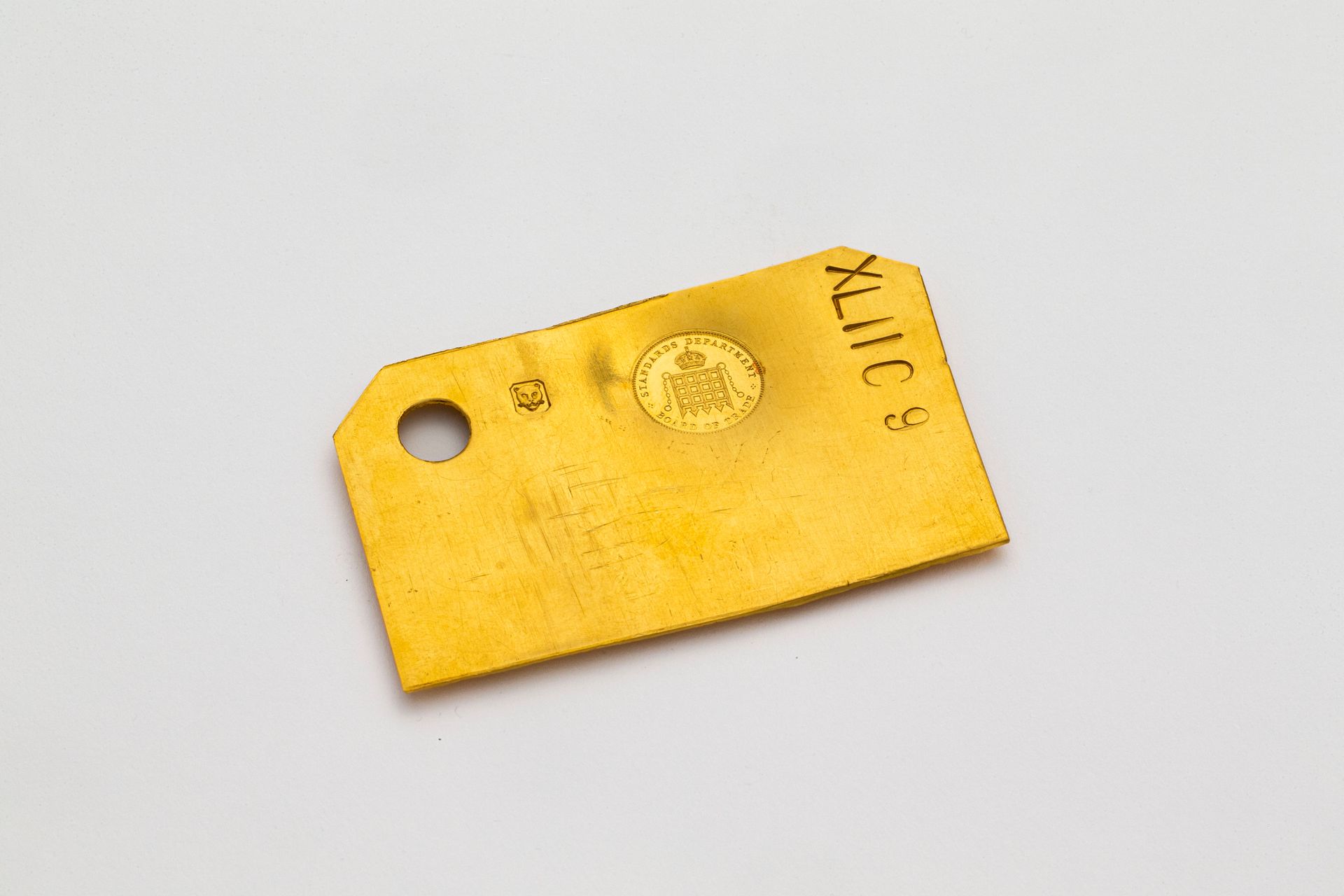
Gold Trial Plate 42C, 1957
The finest gold ever produced at the time
The Perth Mint
On display in the Craft of the coin display case.
In the 1950s gold refining techniques used at the Perth Branch of The Royal Mint had improved so much that gold samples were giving results of 100 percent purity when compared with the proof gold plate supplied by the Royal Mint in London.
To determine the unknown assay of gold bullion, a known weight of a sample is compared against a similar weight of gold with a known assay (known as Proof Gold or a Trial Plate). A gold purity of 100 percent is impossible because all traces of impurities cannot be removed from gold. So in 1957 the Mint's assayers insisted that their proof plate, Trial Plate 42C, be sent to London for testing.
The Goldsmiths’ Company, London, the assayers for the Standards Weights and Measures Department of the Board of Trade, certified the Perth Branch's Trial Plate 42C as having a purity of at least 999.99 parts of gold per thousand, which was the finest gold ever produced at the time.
The Royal Mint was so impressed with it that they retained a quantity of the plate by which it could reset its own standards.
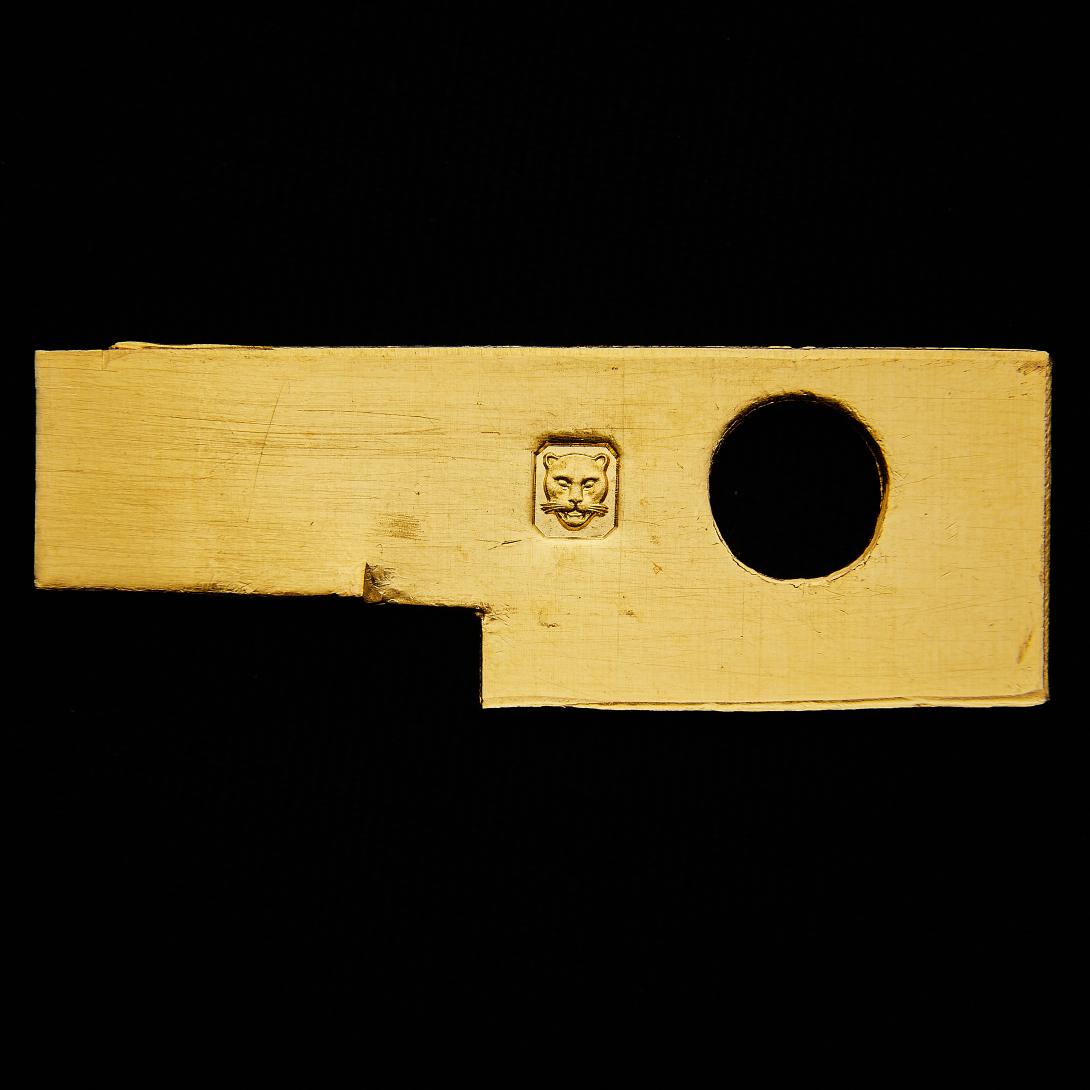
Portion of Perth Mint Trial Plate 42C retained by The Royal Mint in London. The plate is stamped with the hallmark of The Goldsmiths' Company Assay Office.
Credit: The Royal Mint