

Story
The First Fishers - How First Nations People Caught Their Fish
Six seasons, not four
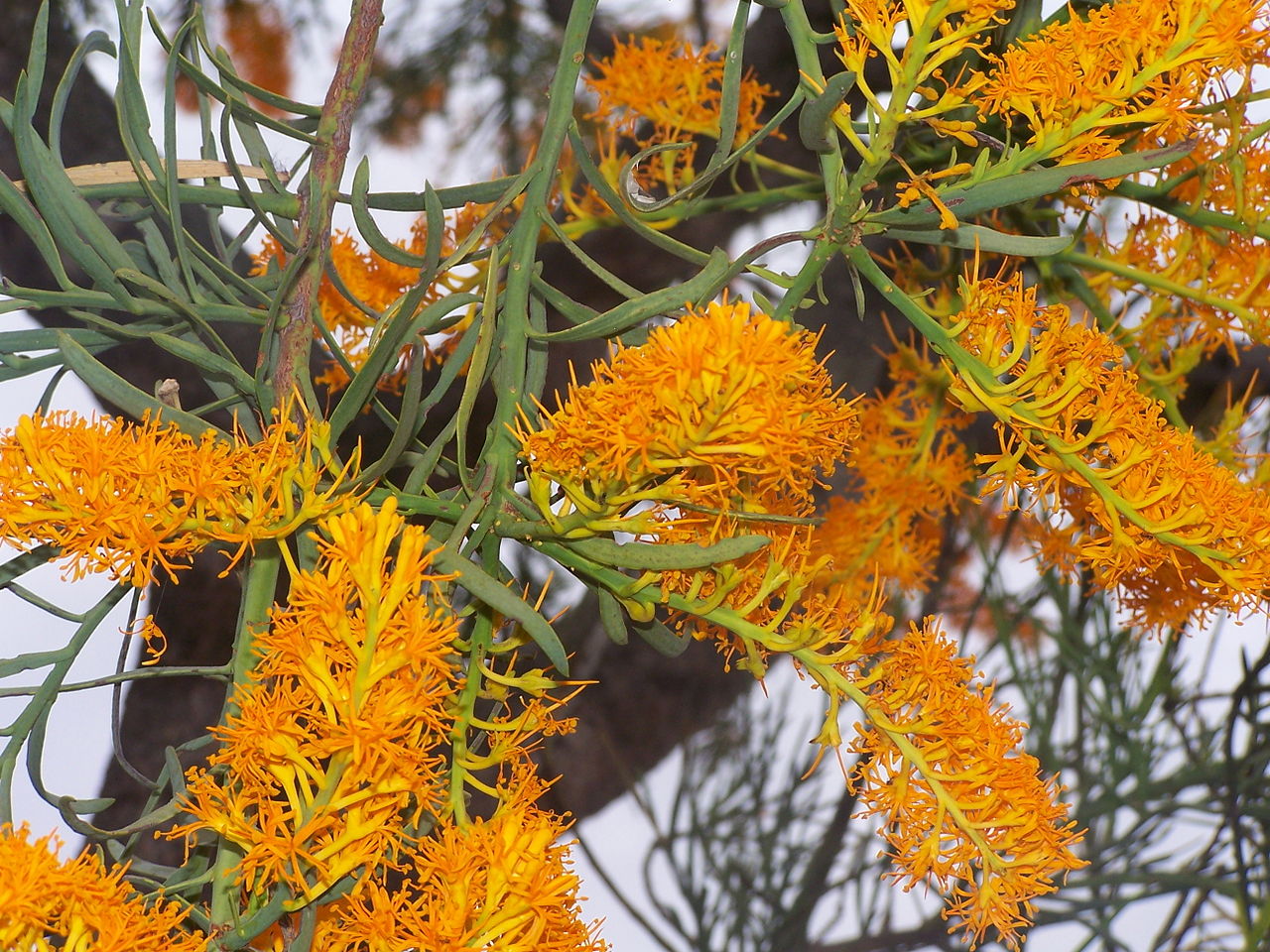
Photograph by Gnangarra, licensed under CC BY 2.5 AU
In the southwest of WA, the Nyoongar calendar incorporates six seasons in one year, not four as in the European tradition. The Noongar seasons are Birak, Bunuru, Djeran, Makuru, Djilba and Kambarang. Each of the six seasons represents and explains the seasonal changes seen annually. Phenomena such as the flowering of many different plants, the hibernation of reptiles and the moulting of swans are all clear indicators that one season is ending and the next is beginning.
Unlike the fixed seasons of the western calendar, the Nyoongar seasons can be long or short and are indicated by what is happening and changing around the observer. Aligning Nyoongar seasons with Western calendar months can provide an overview of a typical year: Birak is dry and hot, but Bunuru is the hottest time of year, and generally aligns to summer. The weather starts cooling down in Djeran- autumn, and Makuru turns into the coldest and wettest season- mid-winter. Djilba sees a mixture of wet and warm days- mid-spring, and finally Kambarang brings along longer warmer and drier periods- late spring.
This six-season calendar is extremely important to Nyoongar people, as it is a guide to what is happening, and what is about to happen, in nature throughout the year. It also helps people respect for the land in relation to plant and animal preservation and fertility cycles.
MAKE IT YOUR OWN