

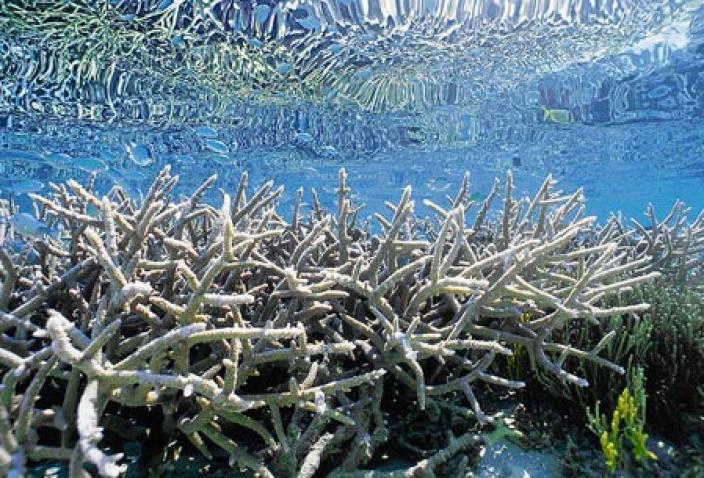
Corals and the environment
Collection
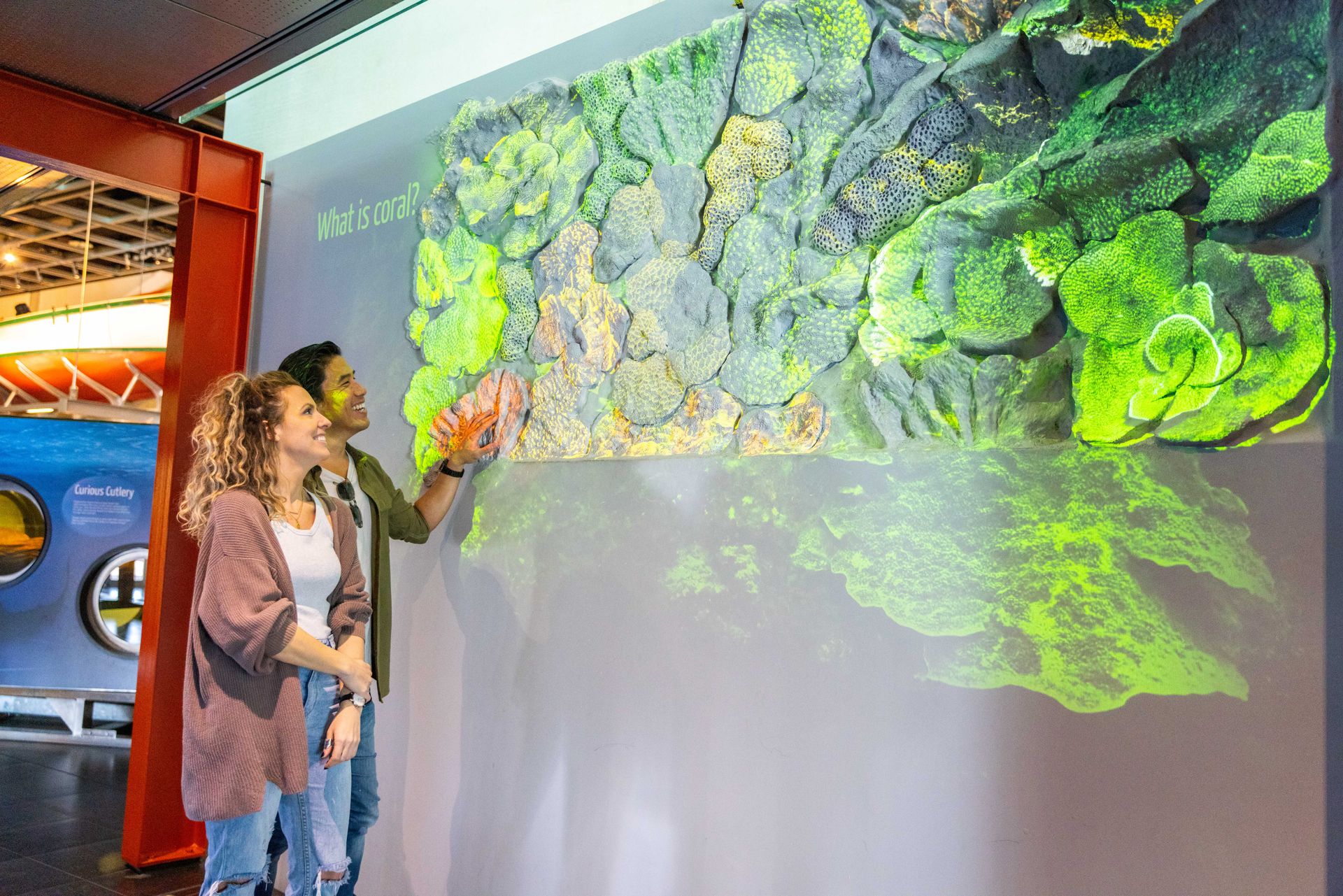
Coral Wall
Interactive Experience
Credit: Aeroture 2022
Coral reef habitats are three-dimensional structures made of plants and animals. Coral reefs are formed as individual coral colonies build hard skeletons (made of calcium carbonate) that support their soft living polyps. Coral reefs provide a place for more corals and other animals to attach, leading to the growth and development of large reef formations.
The living polyps of reef forming corals contain populations of microscopic, single-celled algae known as zooxanthellae. These algae, like other green plants, require sunlight for photosynthesis and, therefore, reef-building corals are typically found in shallow waters. However, in areas where the water is very clear, allowing sunlight to penetrate further, corals can grow at depths of up to 60 metres.
The majority of corals also require warm water to grow and are most common in tropical and sub-tropical waters.
This art installation features a 3D resin canvas that was cast from moulds of real corals. The original corals were collected by museum researchers as part of biodiversity surveys in the field.
MAKE IT YOUR OWN
The story continues.
THERE’S ALWAYS MORE TO DISCOVER
Keep exploring.
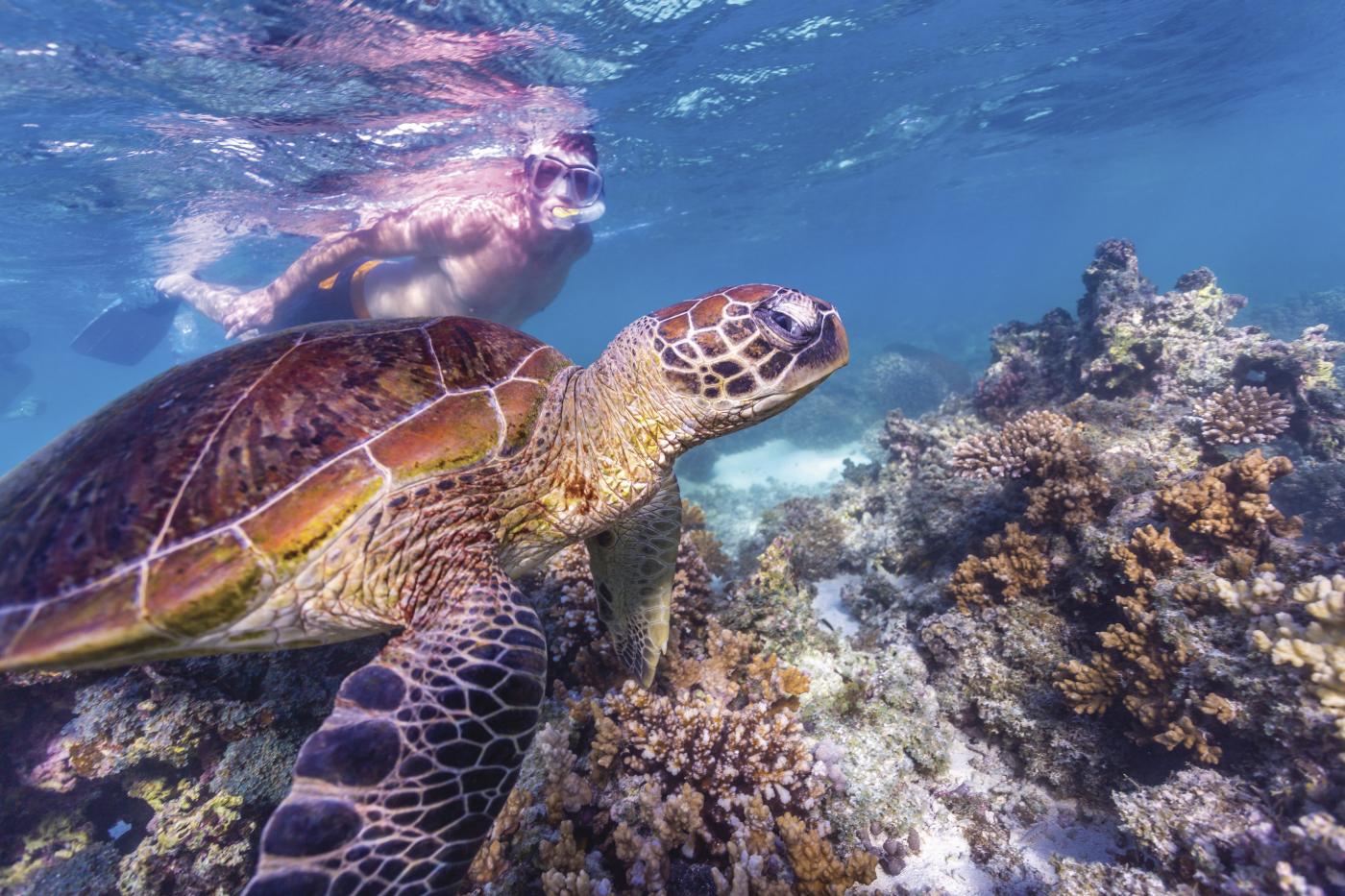
Ningaloo Reef - a giant air filter
Climate Change and WA Marine Life
FOLLOW YOUR CURIOSITY
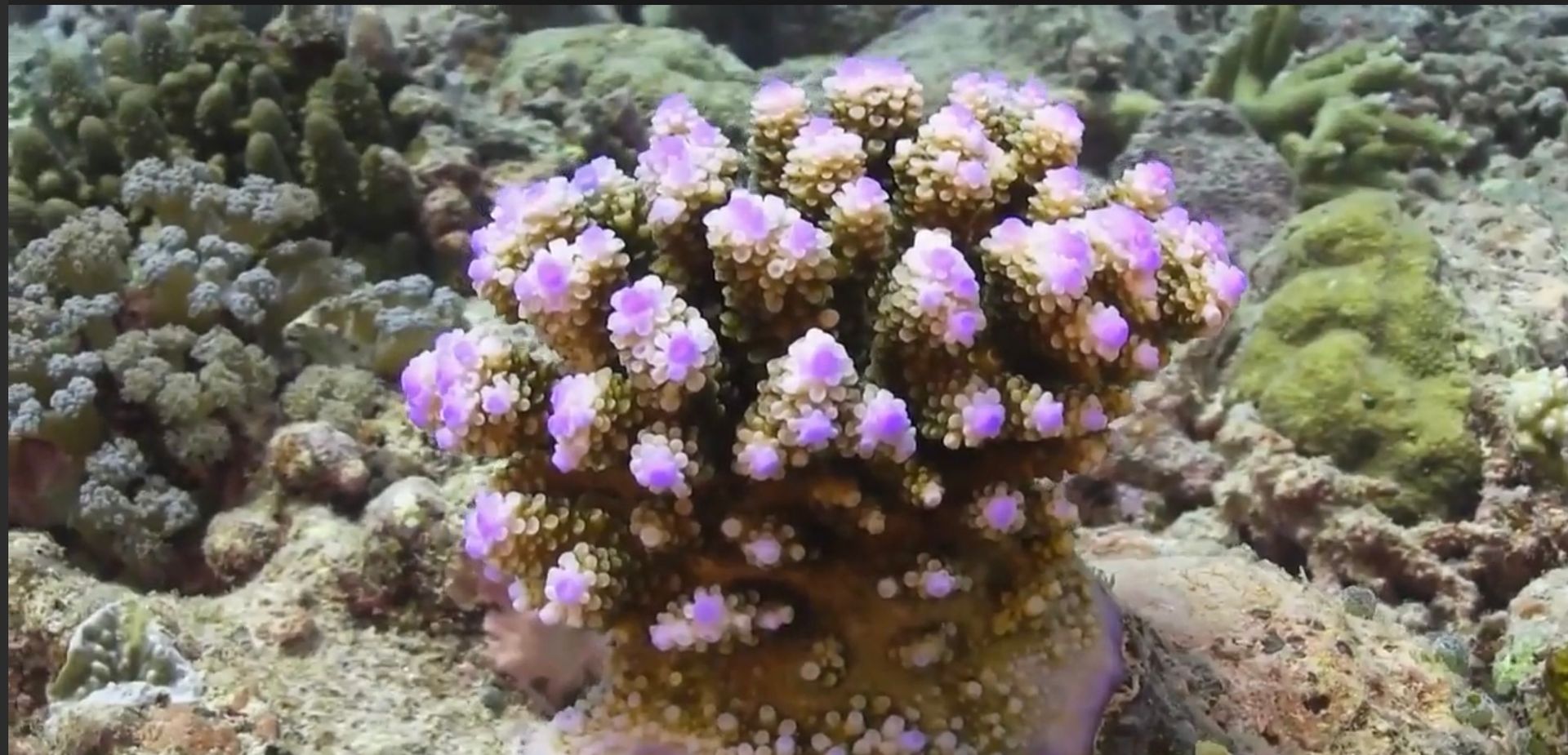
Hard Corals – Reef Architects
FOLLOW YOUR CURIOSITY
Welcome explorers
FOLLOW YOUR CURIOSITY
Fishing for DNA
FOLLOW YOUR CURIOSITY
Curiosity and the Turtle
FOLLOW YOUR CURIOSITY